New SMS Rules: Verify Trades Texts Safely
6 min read
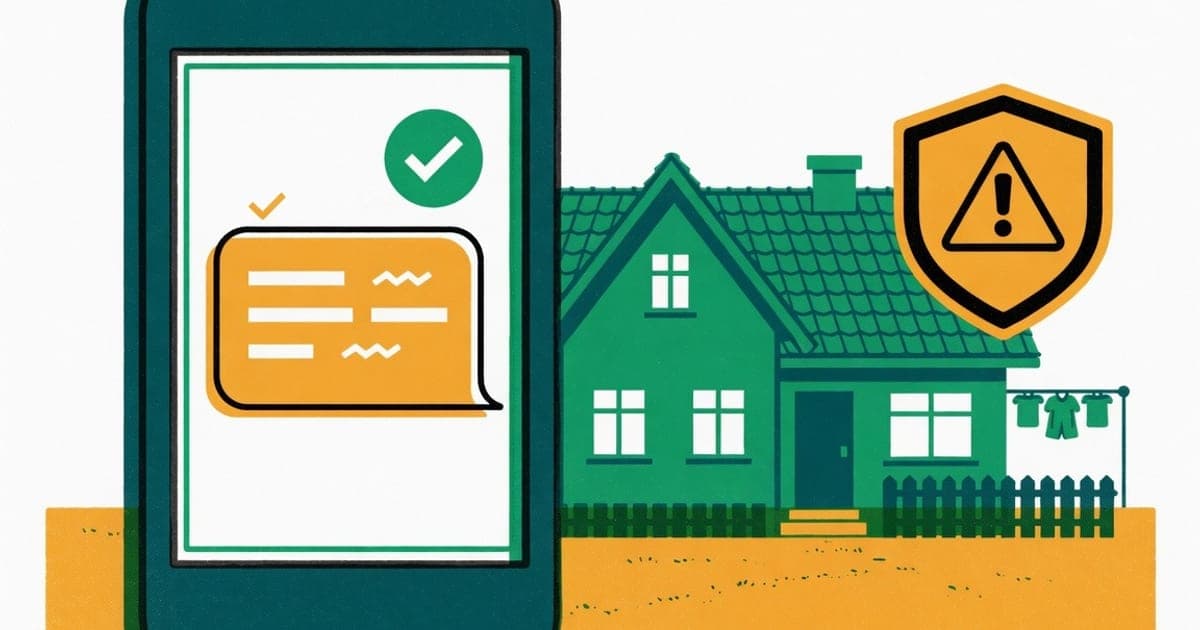
From 1 July 2026 the Australian Communications and Media Authority requires all branded SMS sender IDs to be registered or clearly labelled Unverified, giving homeowners a clearer way to spot potential impersonation attempts when tradespeople send appointment reminders, quotes or payment requests. This national change applies to any business using a custom name instead of a plain phone number for text messages, directly affecting how local trades and home services communicate with customers across Australia. Homeowners can now combine the new SMS rules with established checks such as licence verification to book trades more safely.
Understanding the New SMS Sender ID Rules
The ACMA SMS Sender ID Register applies to every organisation that sends branded texts, including plumbing, electrical, carpentry and gardening businesses that use names like "ABC Plumbing" rather than a standard mobile number. From the July 2026 start date any unregistered sender ID must display the word Unverified in the message header, giving recipients an immediate visual cue that the text has not been authenticated through the official process. The rule targets impersonation scams where fraudsters pretend to be legitimate trades to request deposits or personal information.
Businesses must apply through the ACMA portal to register their chosen sender ID, and once approved the name appears without the Unverified label. This registration is mandatory for continued use of branded messaging, and failure to comply forces the Unverified tag on every outgoing text. Homeowners benefit because a clean sender ID now carries more weight as evidence that the business has completed the required steps with the regulator.
Why These Changes Matter for Trades Services
Tradespeople frequently rely on SMS for booking confirmations, arrival notifications and follow-up quotes, so the new rules change daily communication habits for both sides of the transaction. A registered sender ID reduces the chance that a customer will ignore or delete a legitimate message, while an Unverified label prompts extra caution before clicking links or sharing bank details. The ACMA change aligns with broader efforts to reduce SMS fraud that has targeted home service customers in recent years.
Local trades operating through platforms that connect homeowners with verified providers gain an advantage because customers already expect higher standards of communication. When a tradesperson sends a text from a registered ID it reinforces trust built through other checks such as licence validation. This matters especially when quotes involve larger jobs where payment schedules or material deposits are discussed via text.
How to Verify Legitimate Trades Texts
Check the sender ID first and note whether it shows Unverified or appears clean after the July 2026 rules took effect. Cross-reference the phone number in the message against the number listed on the tradesperson's official website or the profile on a booking platform. Never click links in unsolicited texts; instead open a browser and type the website address manually to reach any payment or booking portal.
Contact the business using a phone number you have sourced independently rather than replying to the SMS. Ask the tradesperson to confirm recent correspondence details that only the genuine party would know, such as the exact time of a site visit or the model of an appliance discussed earlier. These simple habits add layers of protection without relying solely on the sender ID label.
What to Do If You Receive an Unverified SMS
Treat any Unverified branded text with extra scrutiny even if the content appears routine. Reply only with a request for a callback on a known number, or phone the business directly using contact details from a trusted source such as their printed invoice or the listing on a local services directory. Report persistent suspicious messages to the ACMA or your mobile provider so patterns of misuse can be tracked.
If the message requests immediate payment or personal data, pause and verify through another channel before responding. Many legitimate trades now include a note in their initial booking confirmation explaining that future texts will come from a registered sender ID, which helps customers recognise expected communications. Keeping records of all booking correspondence makes it easier to spot anomalies.
Protecting Yourself from SMS Scams in Home Services
Combine the new SMS rules with licence checks before any work begins, because a clean sender ID alone does not replace the need to confirm a tradesperson holds the required state or territory licence. Homeowners can search public registers for licence numbers mentioned in texts or on quotes, adding an independent layer of assurance. This approach works equally well whether the job is a small repair or a larger renovation.
Avoid sharing sensitive information such as full bank details or security codes via SMS, even with a registered sender ID. Legitimate trades accept payment through established methods that do not require texting card numbers. If a message creates urgency around payment or access to the property, treat it as a potential red flag and confirm details by phone using independently obtained contact information.
Best Practices for Booking Local Trades Safely
Start every booking by searching a local directory or platform that lists verified providers, then confirm the tradesperson's licence details before exchanging contact information. Once engaged, request that all appointment and payment communications occur through registered channels where possible, and keep copies of every message and quote. This record-keeping supports both the new SMS verification steps and any later disputes.
Discuss preferred communication methods at the quoting stage so both parties know whether texts will come from a registered sender ID or another method. Many trades now include this detail in their standard terms, reducing confusion after the July 2026 rules began. Consistent habits around verification protect both the customer and the legitimate business from wasted time on fraudulent interactions.
Additional Steps for Safe Hiring
Review the tradesperson's online presence and recent reviews on independent sites before confirming a booking, and consider asking for references from recent local jobs. When the work involves second-hand materials or specialised items, apply extra checks such as those outlined in guides on safe purchasing practices. These steps complement the SMS rules by addressing risks that arise before any text message is even sent.
Maintain a separate record of all agreed prices and timelines outside of SMS threads, perhaps in a shared email or printed document, so there is no reliance on text messages alone for important details. This practice proves useful if a message is lost or if an Unverified sender ID raises questions later. Homeowners who follow these layered approaches report smoother experiences when engaging local services.
For more options explore current listings at /listings. Learn how to confirm a tradesperson holds the correct licence by reading the guide at /blog/checking-a-tradie-licence-australia. Understand fair negotiation when obtaining quotes through the post at /blog/bargaining-etiquette-australian-classifieds. Additional safety tips appear in related articles on the site such as those covering second-hand purchases and secure selling practices.
Sources
- ACMA, SMS Sender ID Register - the register itself and who must apply.
- ACMA, SMS Sender ID Register: rules for telcos - the obligation to over-stamp unregistered sender IDs with "Unverified" from 1 July 2026.
- Scamwatch, current scam alerts - where to check and report an impersonation attempt.
Related guides
- Taking Payment and Handing Over Safely as a Seller
- Buying Second-Hand Cots, Prams and Kids Gear Safely
- Asbestos and Second-Hand Building Materials: What Buyers Need to Know
- Browse hiring local trades and services in Australia listings near you
For a current look at this, see our guide on New Unfair Trading Laws: Hiring Trades Under ACL Changes.